Place
Stanley Burke’s
A thorough restoration of the Googie diner Stanley Burke’s honors Helen Liu Fong’s legacy while welcoming a new chapter as a national franchise.
Place Details
Address
Neighborhood
Year
Style
Decade
Designation
Property Type
Attributes
Along Van Nuys Boulevard in Sherman Oaks, a swooping roofline rises above the street as it did in the late 1950s, catching the attention of passing drivers. For decades, that striking silhouette signaled a familiar place to gather: Stanley Burke’s.
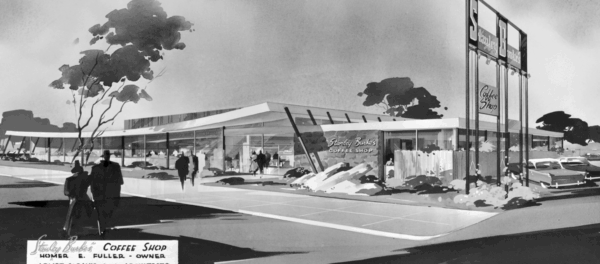
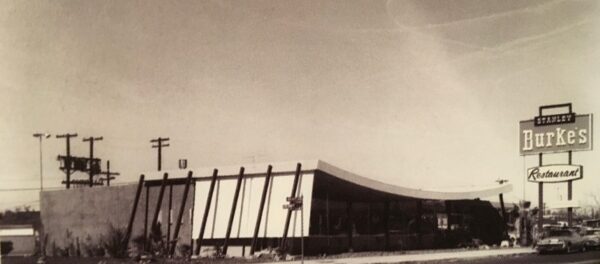
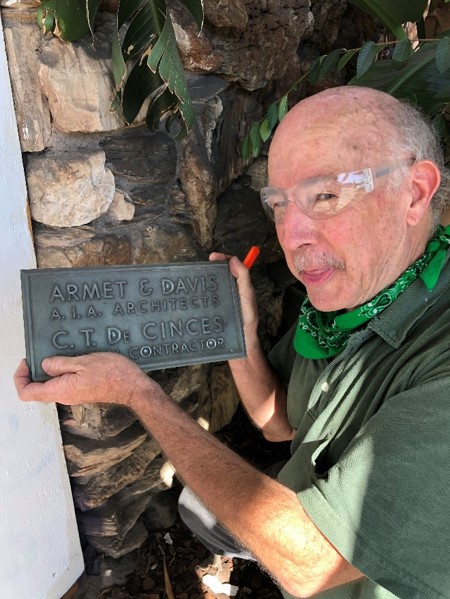
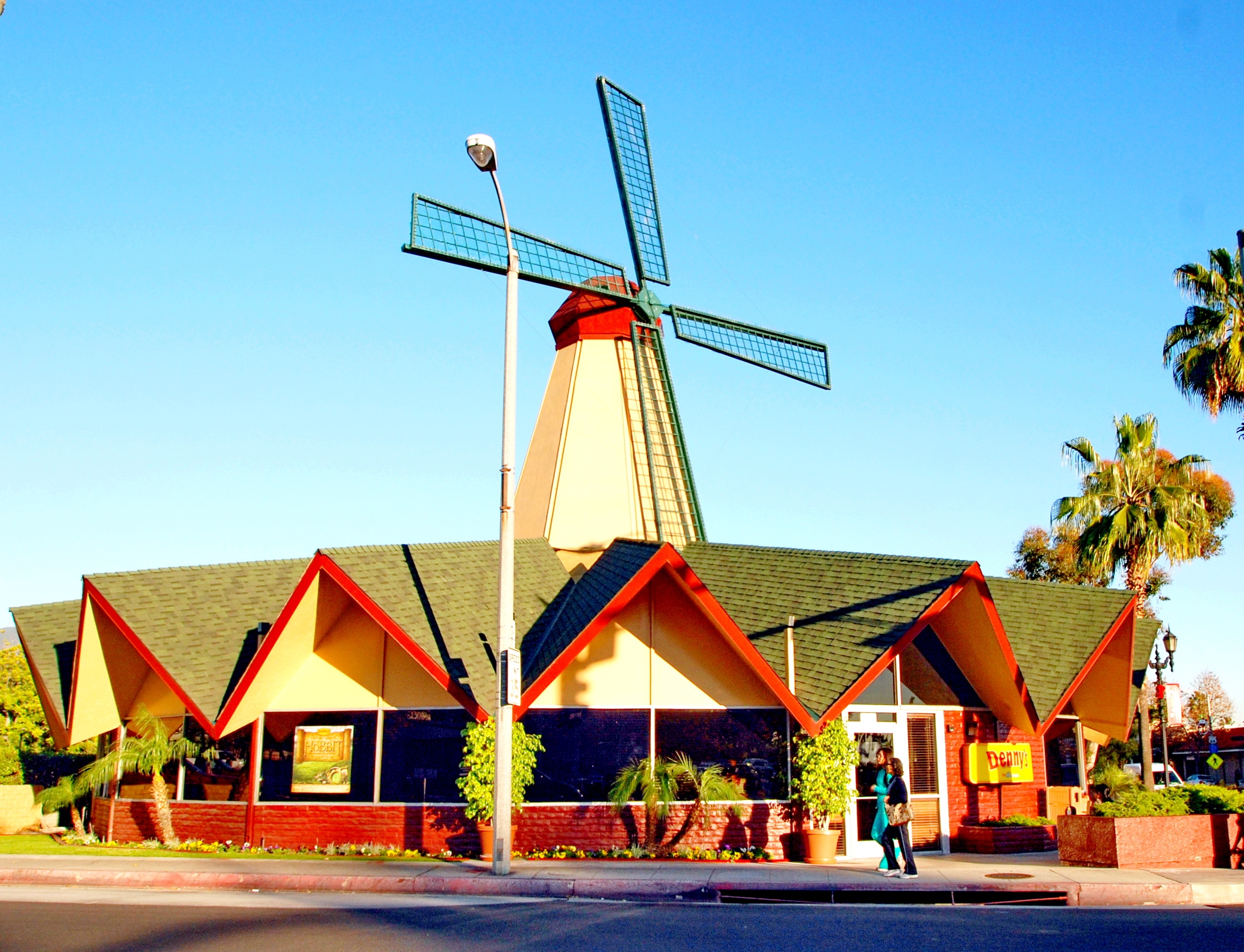
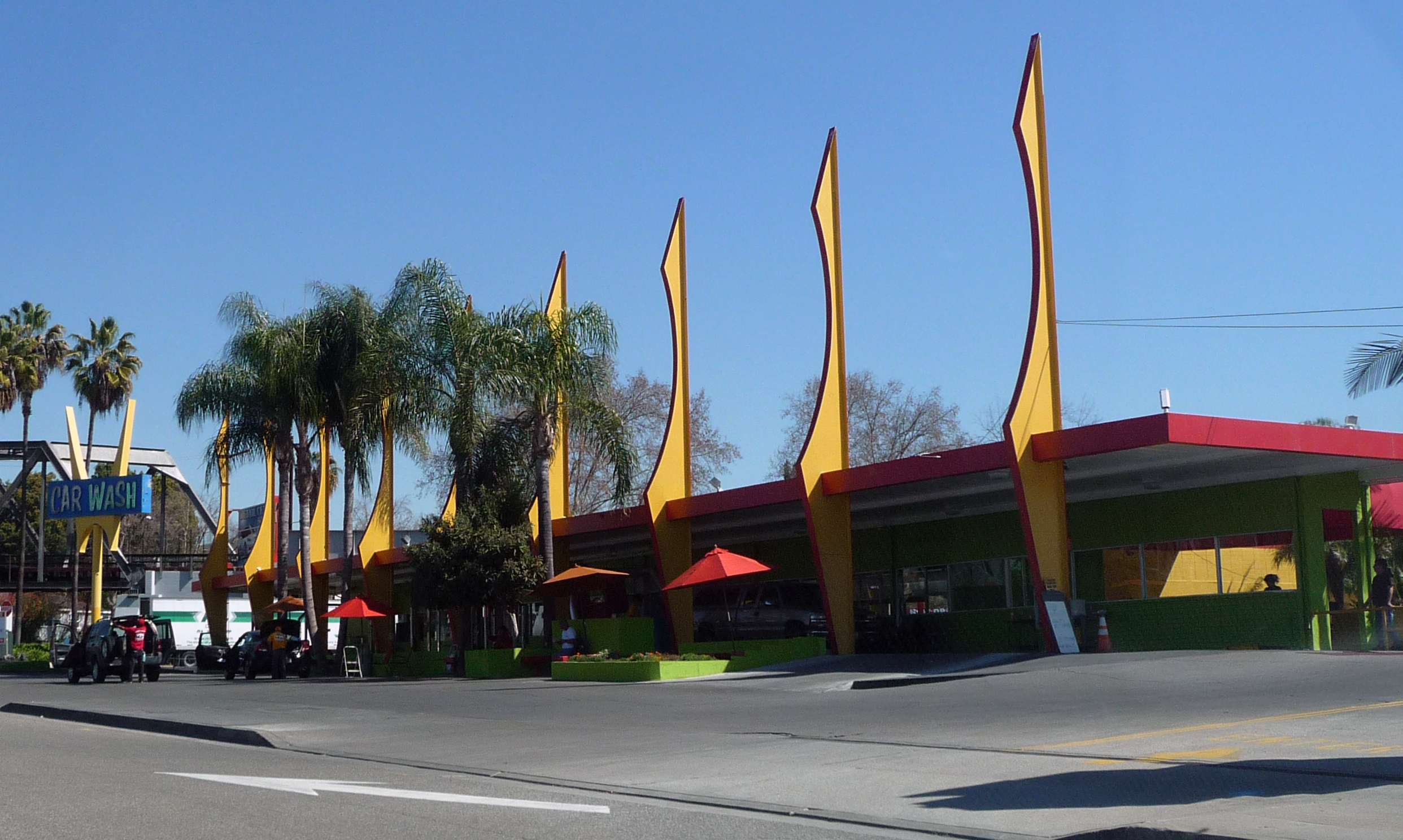
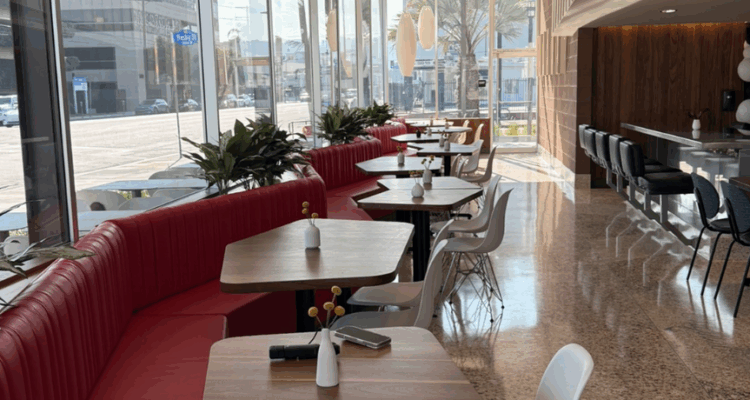
Built in 1958, the coffee shop was designed in the exuberant Googie style by architects Armet and Davis, with interiors by designer Helen Fong. At the time, the San Fernando Valley was rapidly growing, shaped by the freedom of the automobile and miles of new suburban development. Restaurants like Stanley Burke’s were created for this new landscape. With its sweeping roof, expansive glass walls, and bold neon sign, the building invited drivers to slow down, pull in, and take part in the social life of the neighborhood.
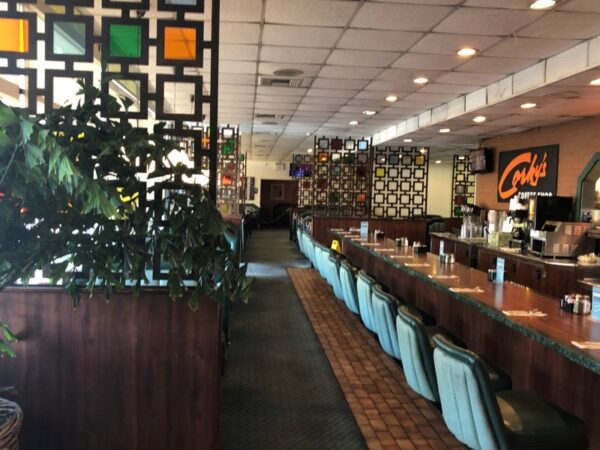
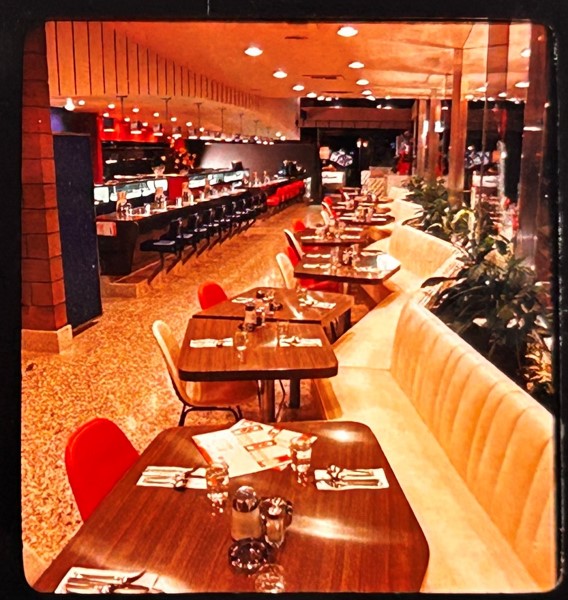
Inside, the design reflected a new kind of dining experience. Counter stools, booth seating, and a semi-open kitchen created a lively space where people could see and be seen. Fong’s interior design added warmth and color, helping shape the welcoming atmosphere. Her work here is especially significant: she was the first Chinese American woman admitted to the American Institute of Architects and became an important figure in the history of modern design.
Stanley Burke’s quickly became more than a restaurant. It served as a meeting place for the community at a time when gathering spaces were limited. Local organizations held talks, meetings, and events there. Residents came for breakfast, conversation, and connection. Along a busy commercial corridor filled with theaters, shops, and banks, the restaurant played an important role in the everyday life of Sherman Oaks.
Over time, the building continued serving diners, though its name changed. For many Angelenos, the space became best known as Corky’s, a beloved neighborhood restaurant that operated there for decades. While alterations and additions accumulated over the years, the core of the original design remained.
In 2020, the building and its sign were designated a Los Angeles Historic-Cultural Monument, recognizing both its role in the history of postwar car culture and its importance as a rare surviving example of Googie architecture.
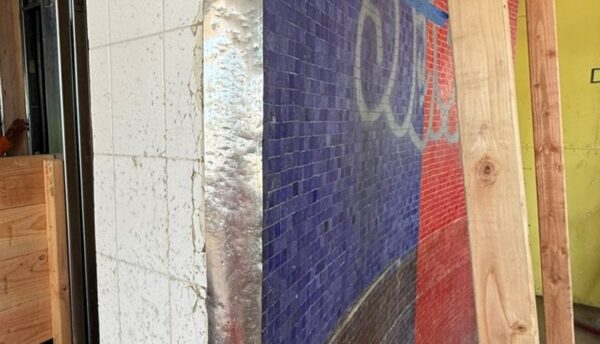
The recent rehabilitation brought the building back to life while carefully respecting its history. Using original drawings preserved by the successor firm to Armet and Davis, the project team restored the primary façade along Van Nuys Boulevard. Later additions were removed to reveal key features, including the dramatic roofline, clerestory windows, and distinctive “spider leg” supports. Lava stone walls were carefully reconstructed, the terrazzo floors were preserved, and the glass curtain walls were restored to reconnect the interior with the street outside.
The result is Stanley Burke’s, once again, a place where past and present meet. The building continues to serve food and welcome visitors while telling the story of a moment when Los Angeles embraced speed, modern design, and the open road.
By preserving this landmark, the project team has shown how thoughtful adaptive reuse can honor architectural history while keeping a place active and meaningful. Stanley Burke’s has received a Los Angeles Conservancy Preservation Award, recognizing outstanding efforts to protect and celebrate the historic places that shape Los Angeles County.
Project Lead: Chick fil-A, Inc.
Owner: Jane Heagerty
Architect: CRHO
Architect: narrate
Preservation Architect: Alan Hess
Landscape Architect: Hourian Associates
Contractor/Construction Manager: KDC Construction
Historic Preservation Consultant: Carrie Chasteen
Structural Engineer: Shimaji & Lascola Inc
Structural Engineer: Structural Focus
Consultant (Entitlements): Pacific Crest Consultants
Consultant (Public Relations): EKA / Tina Choi & Associates