Place
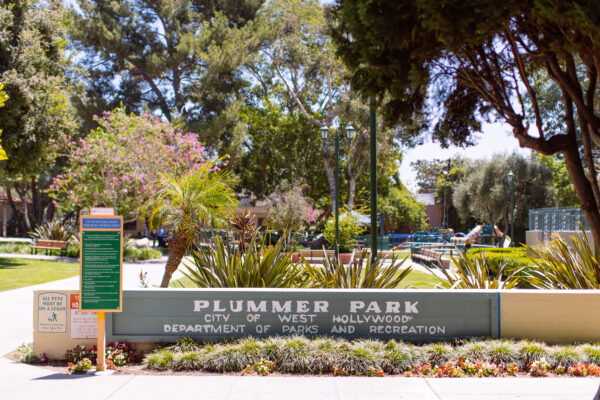
Plummer Park, Great Hall/Long Hall
Completed in 1938, Plummer Park's Great Hall/Long Hall tells an essential story about West Hollywood, from its New Deal origins to its role in AIDS activism.
Active
Stay informed on active issues throughout L.A. County.


Place Details
Address
Architect
Year
Style
Decade
Designation
Property Type
Community
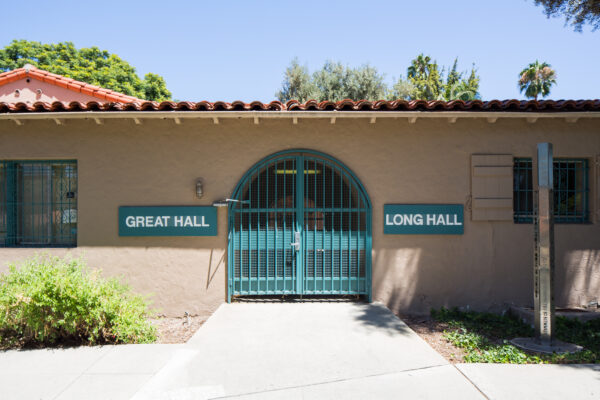
Photo by Hunter Kerhart
Overview
Completed in 1938, Plummer Park and its Great Hall/Long Hall reveal dynamic layers in West Hollywood’s development and identity, from its New Deal origins to its role in LGBTQ community organizing.
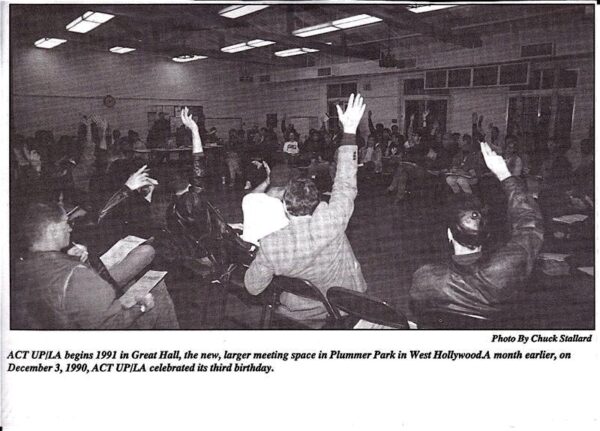
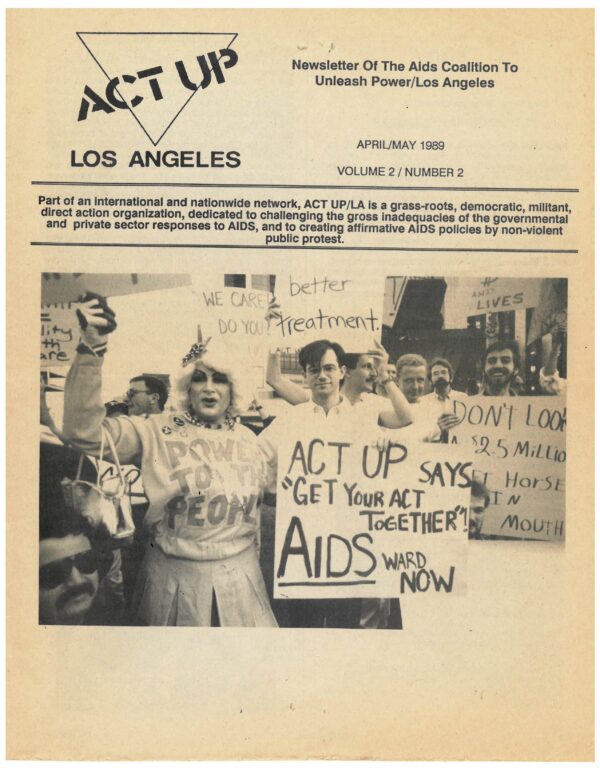
Decades after its construction, at the height of the HIV/AIDS epidemic in the 1980s and 90s, the facility in Plummer Park hosted the meetings of the local chapter of the prominent AIDS advocacy group ACT UP (AIDS Coalition to Unleash Power), serving as the backdrop to unprecedented campaigns for greater visibility and more effective treatment. The group was instrumental in compelling the federal government to respond to the HIV/AIDS crisis through new research and healthcare programs.
The construction of Plummer Park, however, predates West Hollywood’s incorporation as a city and its prominent historical associations with the LGBTQ community.
In partnership with the Works Progress Administration (WPA), the County of Los Angeles dedicated the four-acre park in 1938 as part of countywide efforts to expand park space during the Great Depression. Formerly the homestead of Captain Eugene Plummer, the property was the last remnant of the pioneer family’s vast Rancho La Brea. The Great Hall/Long Hall, previously known as the Plummer Park Community Clubhouse, is the only structure in West Hollywood built through New Deal programs.
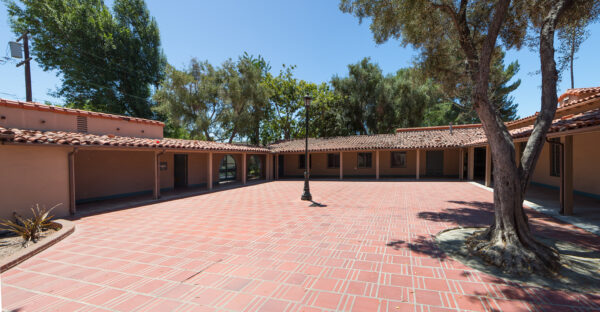
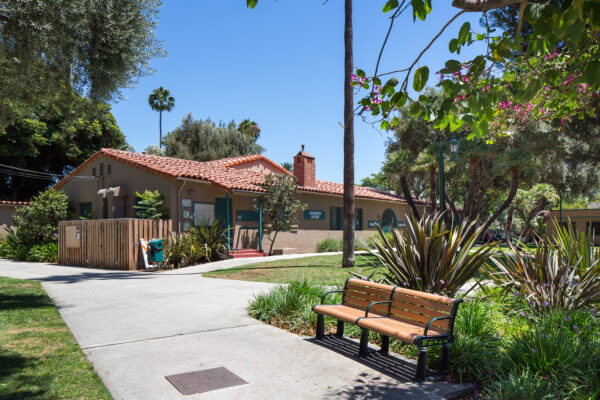
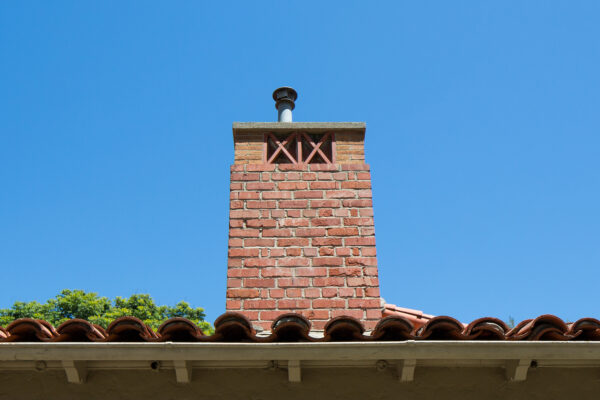
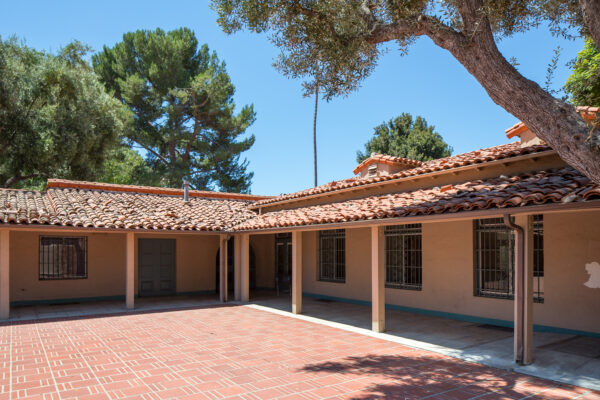
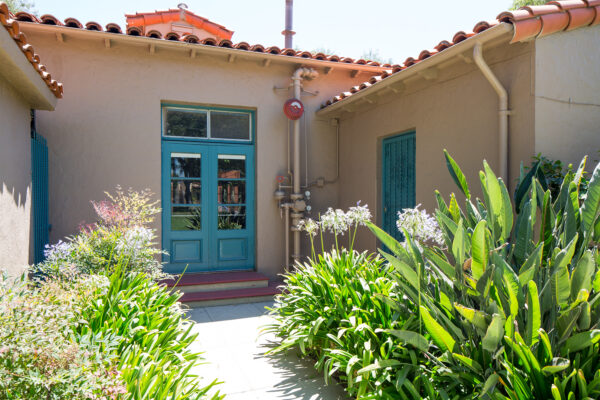
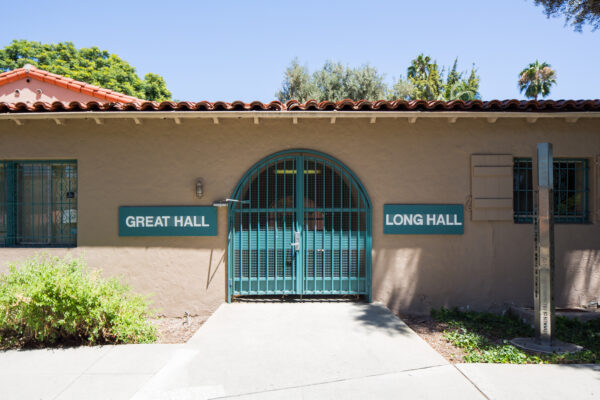
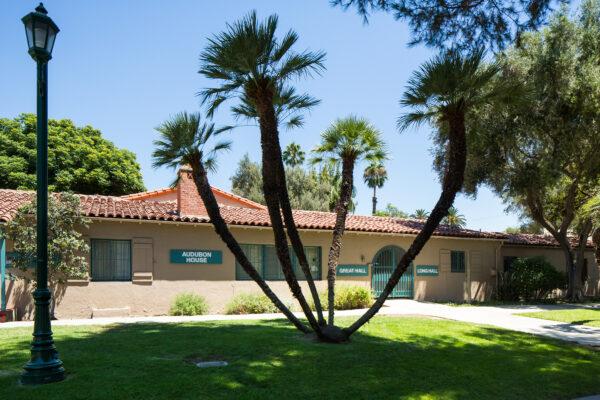
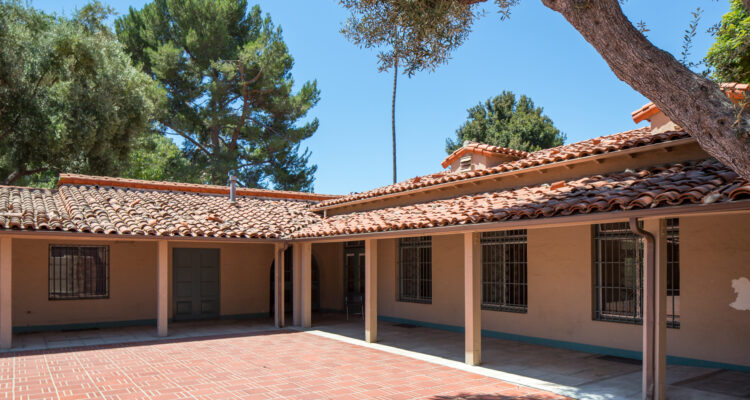
Its Spanish Colonial Revival design, chosen to reflect Plummer Park’s heritage and link to the region’s great Mexican-era ranchos, remains highly intact, featuring a U-shaped plan surrounding a central courtyard, a clay tile roof, and a stucco exterior. The west section, composing the Great Hall, features an auditorium space, while the south section, composing the Long Hall, originally functioned as a library and game room. The interior retains its original stage, decorative wood trusses, beams, and molding.
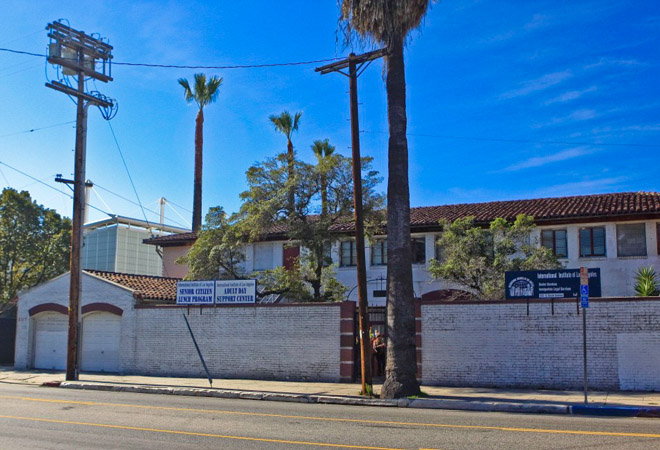
The facility remains an active part of community life in West Hollywood. The Los Angeles Audubon Society occupied space in Great Hall for many years, with a library, bookstore and office space, while the community’s Russian Library occupied space in Long Hall. The facility continues to host public events, theatre productions, and community meetings.
About This Place
About This Place
The 1980s ushered in a new era for both the community and Plummer Park. In 1984, when West Hollywood incorporated as a municipality, Plummer Park and all of its structures were transferred from County ownership and operation to the new city.
At the same time, the scope of the emerging HIV/AIDS epidemic was settling in across the nation, and the LGBTQ community found itself both disproportionately affected by the newly identified disease and facing new discrimination in seeking effective treatments.
Plummer Park and Great Hall/Long Hall would play a prominent local role in the national discussion on AIDS healthcare during the 1980s and 90s, adding a new layer of history associated with the LGBTQ community to the park and clubhouse.
The international advocacy group AIDS Coalition to Unleash Power, better known by its acronym ACT UP, was formed in New York in March, 1987.
ACT UP’s motto, “Silence = Death,” was a powerful summation of the necessity for direct action to effect institutional change.
Nine months later, on December 4, 1987, the Los Angeles chapter of ACT UP (ACT UP/LA) was founded and met for the first time in West Hollywood, which has long been home to one of the largest LGBTQ communities in Los Angeles County.
ACT UP/LA met at Plummer Park from 1987 through 1996 and organized a number of prominent campaigns as part of a broad coalition of progressive organizations.
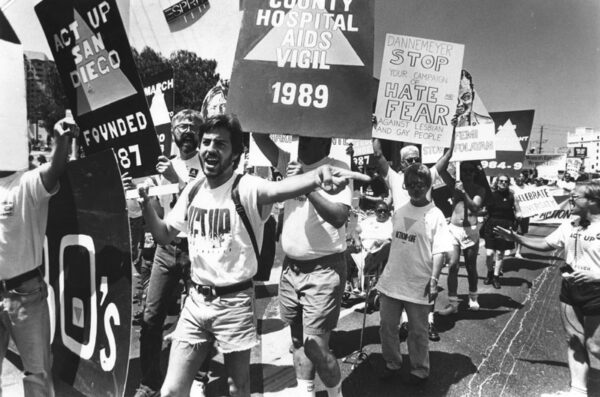
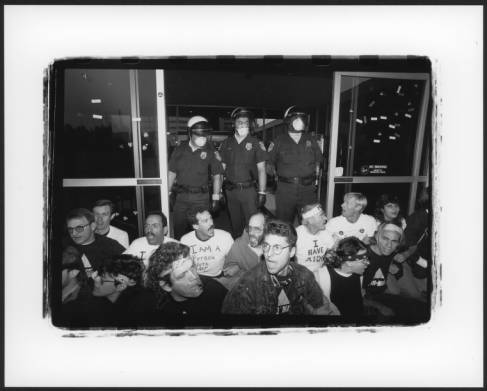
Members sought to draw media attention to the HIV/AIDS epidemic through nonviolent action, including candlelight vigils and die-ins in Westwood Village; civil disobedience outside local Food and Drug Administration (FDA) offices and the Federal Building in Westwood; and a week-long vigil at Los Angeles General Hospital.
The 1989 action at the Medical Center, then known simply as Los Angeles County Hospital, ultimately resulted in the creation of a dedicated AIDS unit at the facility. Activists, many of whom were afflicted with HIV or AIDS, staged a mock AIDS ward outside of the hospital, complete with cots, tents, and a soup kitchen.
Our Position